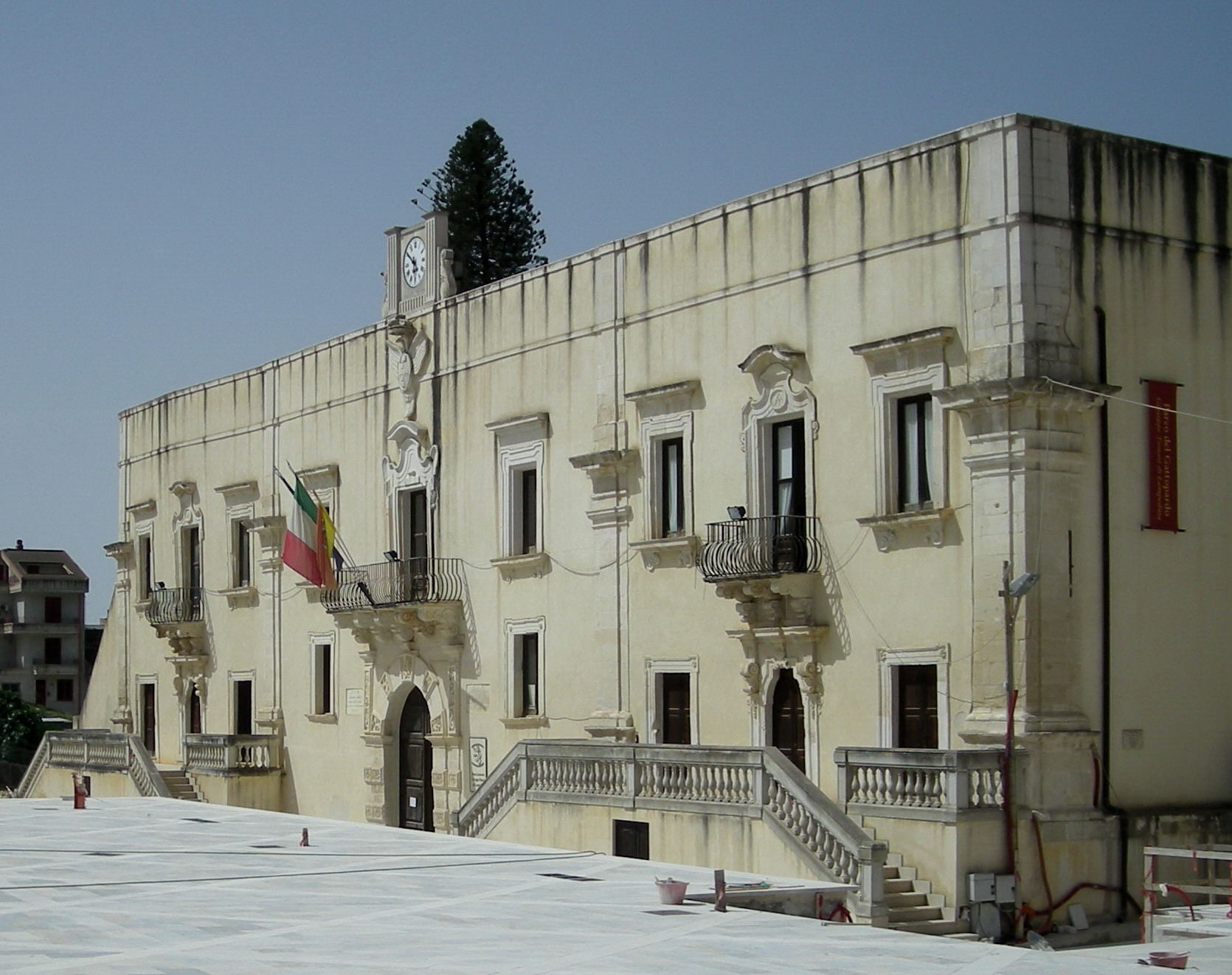
When I was young, I never asked my grandfather the questions that I’d really like answers to now, such as where he came from, why he came here, and what it was like to live in Sicily. What I know, I picked up in conversations with my father and mother, but most of the information was unsolicited and eventually forgotten. A lot of it was probably incorrect or outright falsehoods, as my father was an inveterate liar. But here is what I do know.
My grandfather came from Santa Margherita di Belice, about 73 kilometers from Palermo, Sicily, with my grandmother sometime in the 1920s. I have tried looking up records of this online. I found one Pietro Mangiaracina who listed his profession as plumber, but my grandfather was a carpenter. Still, it could’ve been him. He was much too young when he came over to really have an established profession.
I believe he was poor when he came to the U.S., but he worked hard, and at one point I think he owned buildings in Ridgewood, Queens.
Every day he would dress in a suit, a tie, and a fedora. When he got to work, his daily ritual was to take off the jacket, loosen the tie, roll up the sleeves of his crisp white shirt, grab his tools, and get to work. The hat never came off. He had started going bald early. It was a source of embarrassment. Luckily, everyone wore fedoras in those days, so if he didn't take off his hat, who'd know? When he finished work, he would perform his ritual in reverse and head home.
My father was born in 1932. Soon after that, when he was about three, my grandmother contracted spinal meningitis. The pain was so intense that she once tried to commit suicide by jumping out of a window with my infant father in her arms, and both were saved only because my grandfather happened to be at home and talked her down.
When my grandmother died, my father went to live with his maternal grandmother. I suppose it was difficult for my grandfather, who was trying to make his way in the world, to take care of his three-year-old son.
As grandmothers are wont to do, but also because my father was the only blood relative my great-grandmother had in the USA, she spoiled my father rotten. She would get up earlier than he did on school days to make his breakfast and iron his clothes for school, even ironing his underwear on cold days to keep him warm. This later had a profound effect when he married my mother, who was also spoiled. She was the youngest of four children, and the only girl. She was catered to by her parents and her elder brothers and was therefore not prepared for the demands my father put on her.
Meanwhile, as my great-grandmother raised my father, my grandfather had found another wife. I do not know whether he asked for his son back at this point or not, but I can probably guess that by that time my father and great-grandmother had become so attached that returning home was not an option for anyone. My grandfather had started his new life with a new wife.
My step-grandmother, Lily, had two children, Josephine and Joseph.
I don’t know much about my father’s formative years. He met my mother probably when he was in his late teens. Then he joined the army. I have seen a few correspondences between my father and mother when he was in the army, talking about love and children when they would get married. I remember finding a photo sent to my mother of a little girl with the name “little Laura” written on the back. I was young at the time and asked my mother if at one time I had had an older sister. No, she said. It was just my father thinking about their future children.
My father was stationed at Fort Knox, though later, inveterate liar that he was, he told his second wife and God knows who else that he had fought in the Korean War. He apparently did well enough at Fort Knox that he was soon promoted to corporal. One night, though, he and his friends blew up a turtle with a firecracker. When the CO found out, they busted him down to private. However, he still managed to receive an honorable discharge.
My parents got married in February of 1953, and nine months later I was born.
Cover photograph: Palazzo Filangeri di Cutò, Santa Margherita di Belice, Sicily, by P. Palermo (2008), public domain, via Wikimedia Commons.
